
Currently Empty: £0.00


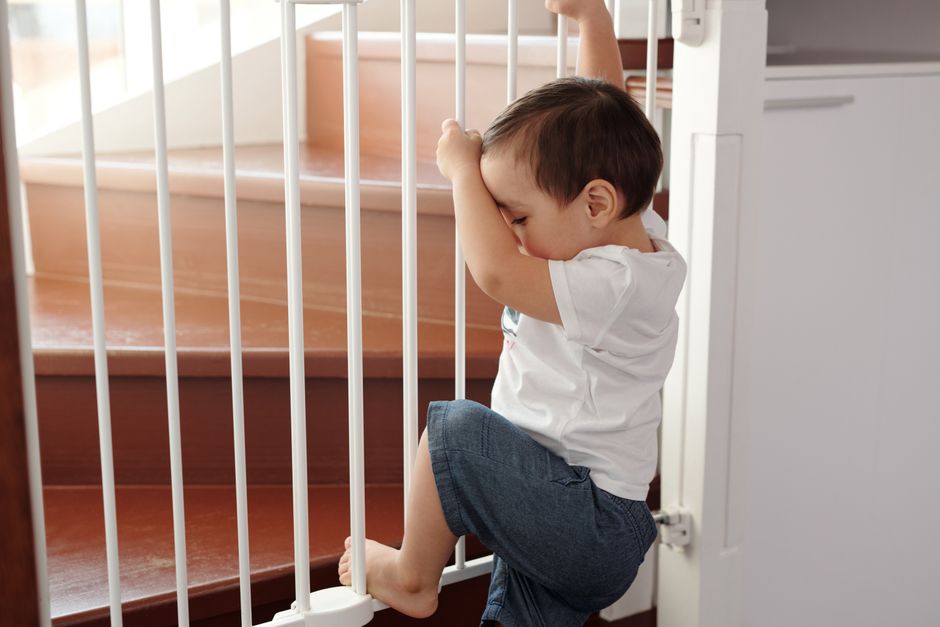
Stairs are part of everyday life in most UK homes, but for a toddler they can look like a climbing frame. A child who can crawl or walk will often make a beeline for the stairs, and accidents can happen in seconds. Child stair safety is about combining the right equipment, sensible habits and a little patience while your child learns. This guide covers the key steps every UK parent can take to reduce the risk of falls.
Why Child Stair Safety Matters
Falls on stairs are one of the most common causes of childhood injury in the home. RoSPA has highlighted that around 58,000 children are injured on stairs every year in the UK, which gives a clear sense of how easily accidents can happen. Toddlers are especially vulnerable because they are top-heavy, quick and curious, yet they have not developed the balance or judgement needed to manage steps safely.
The danger is not limited to babies. Older toddlers and young children can still trip, slip or misjudge a step, especially when they are excited or tired. That is why stair safety measures should stay in place long after a child takes their first steps, and why every adult in the household needs to follow the same rules.
The Stair Gate: Your First Line of Defence
For most families, the stair gate is the cornerstone of child stair safety. A well-chosen gate sections off the staircase and allows your child to explore the rest of the home safely. The NHS recommends using stair gates at the top and bottom of stairs until your child is at least two years old, when you might start to teach them to manage steps more independently. Many parents choose to keep gates up for longer, particularly at the top of the stairs.
Pressure-Fit or Wall-Mounted?
There are two main types of child safety gate: pressure-fit and wall-mounted. Pressure-fit gates are held in place by tension between two surfaces, which makes them quick to install and easy to move between rooms. Wall-mounted gates are fixed to the wall or banister and offer a more permanent, secure fit. Within these two categories you will also find slam shut gates, auto-close gates, double-locking gates and two-way opening gates, so there is plenty of choice for different households.
| Gate type | How it fits | Common uses |
|---|---|---|
| Pressure-fit | Held by pressure between doorframe, walls or posts | Doorways, bottom of stairs, rooms where easy removal helps |
| Wall-mounted | Screwed or fixed to the wall or banister | Top of stairs, permanent positions, homes where extra security matters |
Matching the Gate to Your Home
Not every staircase is the same, so it pays to measure the width of your opening before buying. If you have a wider than average hallway, look for wide stair gates designed to span larger gaps. For openings that are slightly too large for a standard gate, extension packs and accessories are widely available. At the top of the stairs, a no-trip stair gate is a sensible choice, as it avoids a raised bar that could cause an adult to trip while carrying a child.
Check the Safety Standard
Whatever style you choose, make sure the gate has been tested to UK safety standard EN 1930. Gates that meet this standard have been assessed for construction, locking mechanisms and the gaps that little fingers can get into. Independent testing also helps. Consumer experts at Which? have tested stair gates from retailers such as Amazon, Argos and John Lewis, and their reviews can be a useful starting point before you commit to a purchase.

Choosing the Right Gate for Your Home
UK parents are spoilt for choice when buying stair gates. Specialist retailers such as Safetots carry a wide range of gates from reputable brands including BabyDan, and offer next day delivery and a full 365 day returns policy. Munchkin organises its child stair gates into helpful categories, including pressure-fit, wall-mounted, top-of-stairs, no-trip and wide stair gates, plus extensions and accessories. Argos lists dozens of options, including its Cuggl range, while John Lewis offers premium choices such as a retractable baby gate at £54.99 and a pressure gate with extensions at £54.99. Kiddies Kingdom also dedicates an entire category to stair safety gates.
When you have narrowed down your options, check the fitting requirements carefully. Some gates need tools and wall fixings, while others can be fitted without drilling. Retailers often provide installation guides and videos to help you choose the right gate for your layout, and it is worth reading those before you buy rather than after.
Beyond the Gate: Handrails and Stair Skills
Gates prevent access, but they do not teach a child how to use stairs. Once your little one is walking confidently and starting to climb, a child stair handrail can provide an extra layer of support. The KiddieRail adjustable child stair handrail is designed for young children from the time they learn to walk until they are tall enough to use the adult handrail. It offers adjustable height, easy installation and compatibility with most home layouts, and it has won recognition from awards including BANTA and MadeForMums. For parents and childminders, it provides extra peace of mind during that tricky stage between crawling and confident stair use.
A handrail is especially helpful in homes where a gate cannot cover every access point, such as open-plan layouts or staircases with multiple entry points. It gives a toddler something solid to grip while they practise, and it encourages the good habit of holding the rail every time they climb or descend.
A child handrail works alongside, not instead of, a stair gate. The gate stops unsupervised access, while the rail gives a toddler the support they need during supervised practice. Together they cover both sides of the equation: prevention and skill-building.

Teaching Children to Use Stairs Safely
Learning to use stairs is a skill, and it needs practice. Start by holding your child’s hand and going up and down together slowly, encouraging them to grip the handrail. Take it one step at a time and keep sessions short so your child does not get overtired. Praise every attempt, even wobbly ones, and avoid rushing. A hurried child is far more likely to miss a step.
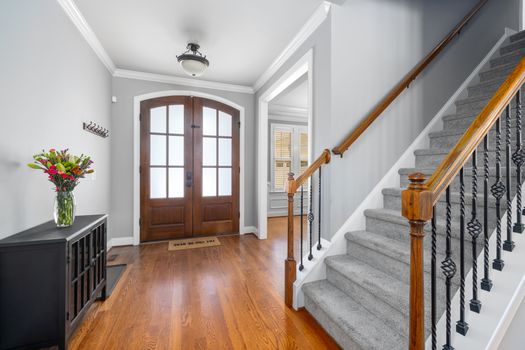
You can also make the stairs themselves easier to manage. Keep the stairs clear of toys, shoes and other clutter, and make sure the lighting is good, especially at the top and bottom. As your child grows, review your safety measures. A gate that worked for a crawler may need to stay in place until a confident four-year-old can use the adult handrail reliably.
Building a Daily Stair Safety Routine
Consistency is what keeps children safe on stairs. These small habits take seconds but they make a real difference:
- Close the gate every time you pass through it, and remind older children, visitors and grandparents to do the same.
- Check the gate’s fixings regularly to make sure nothing has worked loose.
- Never leave a baby or toddler alone on or near the stairs, even for a moment.
- Carry younger children when you use the stairs yourself, and keep one hand free for the handrail.
- If you have a childminder or regular visitors, make sure everyone knows how the gate works and always closes it behind them.
Frequently Asked Questions
How can I make my stairs safe for my child?
Fit a stair gate at the top and bottom of the stairs and keep it in place until your child is at least two years old, as the NHS advises. Choose a gate tested to UK safety standard EN 1930, check it regularly, and consider a child stair handrail for older toddlers. Always supervise young children on stairs and keep the steps clear of clutter.
Does a three year old need a stair gate?
The NHS recommends using stair gates at the top and bottom of stairs until a child is at least two years old. Every child develops at a different pace, so many parents keep gates in place beyond that age, especially at the top of the stairs, until the child can confidently use the adult handrail. There is no harm in keeping a gate up for longer.
What can I use instead of a stair gate?
For older toddlers who have outgrown a gate, an adjustable child stair handrail can provide useful support while they climb. Retractable gates are another option where a traditional swinging gate does not suit the space. For wider openings, extension packs can adapt a standard gate. Combine any of these with close supervision and regular practice on the stairs.
How do I protect my child from stairs?
Use a combination of measures: a safety gate at the top and bottom of the stairs, a gate that meets UK safety standard EN 1930, and a child handrail where appropriate. Hold your child’s hand when using the stairs, keep the staircase clear of toys and clutter, and teach them to use the rail. Supervision remains the most important safeguard.


