
Currently Empty: £0.00


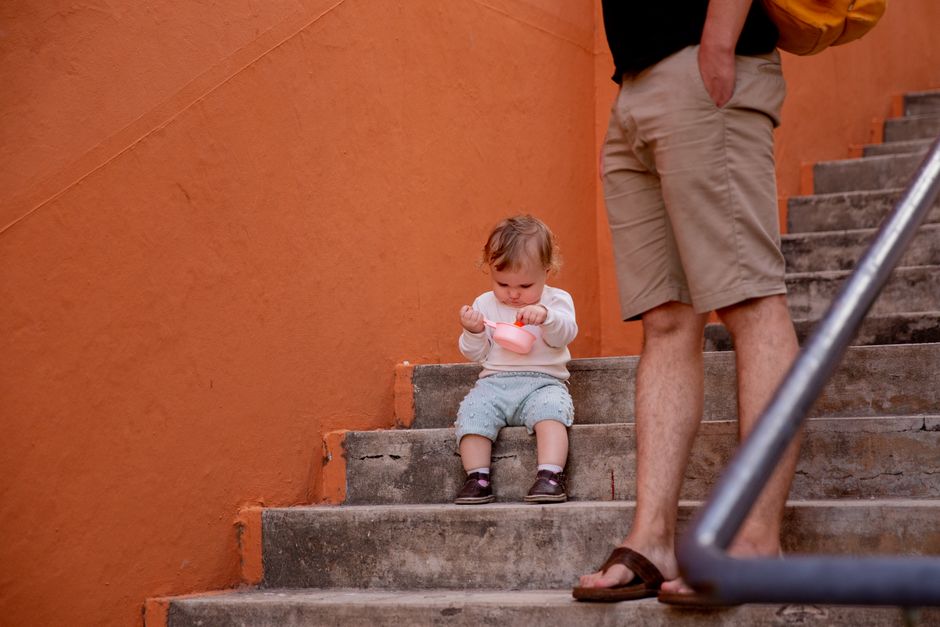
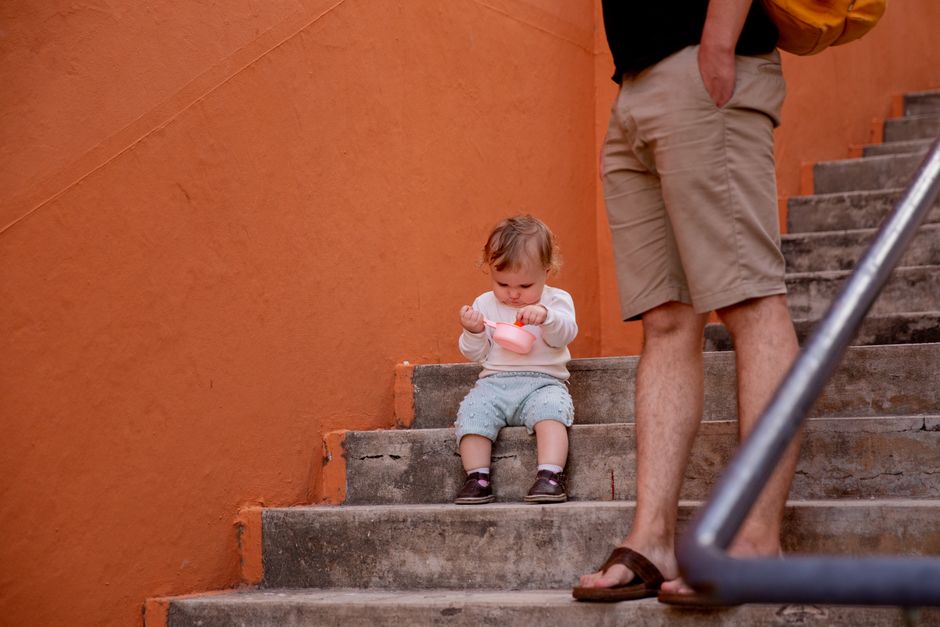
Stairs are a common feature in many homes, and for grandparents looking after young grandchildren, they can present a real worry. Every year, thousands of young children have accidents on stairs, often because they are still learning how to balance and coordinate their movements. As a grandparent, you want your home to be a place of comfort and joy, not a hazard. By understanding the risks and putting simple safety measures in place, you can create a safer environment for little ones to explore.
This guide draws on practical advice from child safety experts and official sources to help you reduce the chance of falls. From teaching toddlers the best way to climb and descend, to installing helpful equipment like a child handrail, you will find straightforward steps that make a real difference.
Why Stairs Present a Risk for Young Children
Young children have a natural curiosity and a desire to explore, but their physical skills are still developing. A staircase that seems straightforward to an adult can be a challenging obstacle for a toddler or preschooler. Their centre of gravity is different, their legs are shorter, and they often lack the judgement needed to assess a step’s height or depth. This combination makes stairs one of the most common places for household accidents among young children.
Official advice from local authorities, such as Hull City Council, highlights that children should not play on stairs. Playful behaviour, such as running, jumping, or sitting on steps, increases the risk of a slip or fall. Stairs should be treated as a functional area for moving between floors, not a playground. Keeping this rule consistent helps children understand the importance of taking care near steps.
In addition to setting clear boundaries, the physical environment matters. A cluttered staircase with toys, shoes, or other objects can cause trips. Poor lighting makes it hard to see the edges of steps. Smooth or worn treads can be slippery, especially for little feet. These simple factors can turn an ordinary staircase into a hazard. By addressing them, you remove many of the triggers for accidents.
Teaching Children to Use Stairs Safely
One of the most effective ways to prevent a fall is to teach children how to use stairs properly from an early age. The method you use should match the child’s age and ability. For toddlers who are just learning, safety experts recommend a hands and knees approach. Crawling up the stairs on all fours gives them stability and control. For coming back down, sliding on their tummy feet first is often the safest option. This technique keeps their centre of gravity low and reduces the risk of a head-first tumble. Close supervision is essential throughout this stage.
As children grow and become more confident on their feet, you can begin to teach them to walk up and down stairs while holding the handrail. The key message is to move slowly and keep one hand on the rail at all times. Educational resources, such as those from Goally Apps, emphasise walking deliberately and maintaining a firm grip on the handrail. This skill takes practice, and children should not be expected to master it overnight. Patient repetition and gentle reminders are far more effective than rushing the process.
It is important to remember that young children may not yet have the strength or coordination to use a standard adult handrail comfortably. Adult handrails are often positioned at a height that forces a child to reach upward, which can be unsteady. This is where a dedicated child handrail, such as KiddieRail, can make a significant difference. By providing a handrail at the right height for a child, you give them the support they need to learn the correct technique safely.
Practical Safety Measures for Grandparents
Beyond teaching the right technique, there are several practical steps you can take to make your stairs safer for visiting grandchildren. These measures are simple to implement and do not require major home alterations.
Install Baby Gates
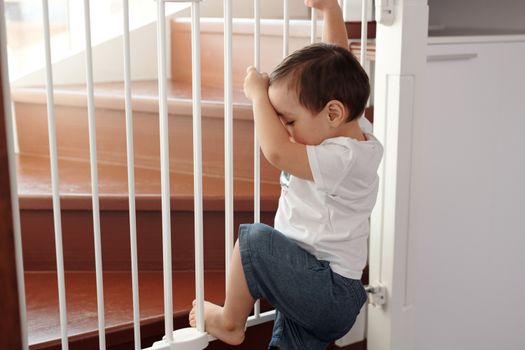
One of the most effective deterrents is a baby gate at both the top and bottom of the stairs. A gate at the top prevents a toddler from accessing the staircase unsupervised, which is especially important if the child is not yet confident on steps. A gate at the bottom stops them from attempting to climb up when you are not watching. Choose a gate that is securely fixed and easy for adults to open, but difficult for a child to manipulate.
Keep Stairs Clear and Well Lit
Make it a habit to check the staircase regularly for any items that could cause a trip. Shoes, bags, toys, and even loose rugs should be removed. Good lighting is equally important. Ensure that the light switch is easy to reach from both the top and bottom of the stairs, and consider using a night light if the stairs are used during evening hours. Bright, even illumination helps everyone see the steps clearly.
Consider Non Slip Treads
If your stairs have a smooth surface, adding non slip treads can provide extra grip for little feet. These adhesive strips or rubber mats fit onto each step and reduce the chance of slipping, particularly when children are learning to climb or descend. They are inexpensive and easy to install, and they offer an extra layer of security for the whole family.
Install a Child Handrail
Standard adult handrails are typically positioned between 90 and 100 centimetres above the stair nosing. For a young child, this is often too high to grip comfortably. An adjustable child handrail, such as KiddieRail, can be mounted at a lower height that suits your grandchild. This allows them to hold on properly and build confidence as they learn to navigate the stairs. KiddieRail can be adjusted as the child grows, so it remains useful for several years.

How KiddieRail Supports Safer Stairs for Children
KiddieRail is an award winning adjustable child stair handrail designed specifically to meet the needs of young children. It is suitable from the time a child starts learning to walk right up until they can safely use the adult handrail. The product can be installed on most home layouts, and its adjustable height means it grows with the child. KiddieRail has received recognition from organisations such as BANTA, BPA, and MadeForMums, reflecting its quality and effectiveness. For grandparents, installing a KiddieRail offers reassurance that their young visitors have the support they need on the stairs.
Frequently Asked Questions
At what age should I start teaching my grandchild to use stairs?
Children develop at different rates, so there is no single correct age. Most toddlers will show an interest in climbing stairs around their first birthday. You can begin by allowing them to crawl up and slide down on their tummy under close supervision. Once they can walk steadily, you can start teaching them to hold a handrail.
Can I use a baby gate instead of a handrail on the stairs?
Baby gates and handrails serve different purposes. A gate prevents a child from accessing the stairs unsupervised, which is essential for safety. A handrail supports the child when they are actually using the stairs with an adult present. Both are important and should be used together for the best protection.
Is it safe for a toddler to slide down stairs on their tummy?
Yes, sliding down feet first on the tummy is considered a safe method for toddlers who are not yet ready to walk down steps. It keeps their centre of gravity low and reduces the risk of a head injury. Always supervise closely and make sure the stairs are clear of any obstacles before they start.
How do I know if an adult handrail is too high for my grandchild?
If your grandchild has to reach up with their arm fully extended to grip the handrail, it is likely too high. A child should be able to hold the rail comfortably with a slight bend in their elbow. A handrail that is too high can cause them to lose balance. A child height handrail, such as KiddieRail, solves this problem by fitting at a lower level.
Keeping children safe on stairs does not have to be complicated. With a combination of clear rules, careful supervision, and practical safety equipment, you can create a home where your grandchildren can explore and play with confidence. Taking a few simple steps now can prevent a painful accident later, giving you peace of mind and making every visit a happy one.


