
Currently Empty: £0.00


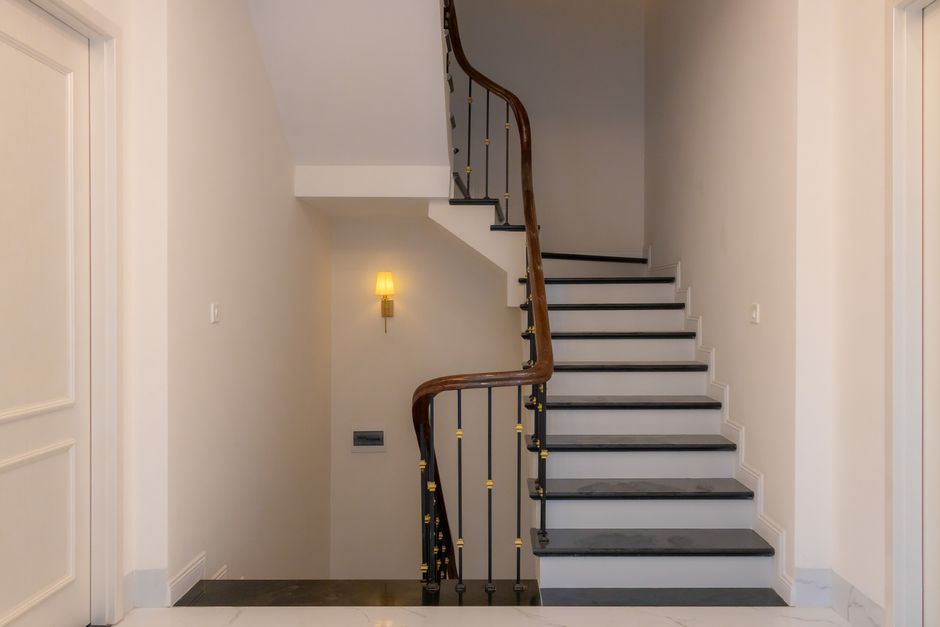

For families caring for a child with special educational needs (SEN), everyday activities like using the stairs can become a source of anxiety. Falls on stairs are the leading cause of accidental injury among young children in the UK, with the Royal Society for the Prevention of Accidents (RoSPA) recording that 58,000 children suffer falls on stairs each year, equating to 158 per day. Children with physical, developmental, or coordination challenges face even greater risks. An SEN stair handrail designed specifically for young children can provide the support they need to use stairs more safely and independently. KiddieRail, an award-winning adjustable stair handrail, is increasingly recognised by professionals as an essential tool for SEN stair safety.
Understanding the need for SEN stair safety
Standard handrails in UK homes are placed at adult height, typically between 900mm and 1000mm above the pitch line of stairs, as recommended by building regulations. This height is unsuitable for most young children, and especially those with special educational needs who may have poor balance, limited strength, or difficulty coordinating movements. A child who cannot reach a secure handrail is more likely to fall. For children with autism, sensory processing disorders, or physical disabilities, the stairs can be a frightening and dangerous obstacle. Families and professionals alike have sought a solution that bridges the gap between adult handrails and the needs of smaller users.
KiddieRail was designed to address this gap. It is a child-height handrail that mounts below the existing adult handrail, giving children a sturdy rail at a height they can actually use. The Royal College of Occupational Therapists (RCOT) includes KiddieRail in its supplier directory, specifically noting that it promotes safer, more independent stair use for SEN children. Many NHS trusts use KiddieRail, and occupational therapists routinely recommend it for children who face physical, developmental, or coordination challenges.

How KiddieRail supports children with special educational needs
What makes KiddieRail so effective for SEN children is its thoughtful design and professional backing. The rail is adjustable, meaning it can be set at the correct height for each child, whether they are a toddler learning to climb or an older child with a permanent physical difficulty. It attaches to the staircase wall below the adult handrail, so it does not interfere with the existing rail and leaves the stairs clear for other family members. The rail itself is made from high-quality components and manufactured in the UK, ensuring durability and reliability.
KiddieRail has passed testing at the Furniture Industry Research Association (FIRA) and has undergone in-house durability tests. This independent verification gives parents, carers, and professionals confidence that the product can withstand the demands of daily use. When you are trusting a handrail to support a child with special needs, knowing it has been tested to rigorous standards is invaluable. The RCOT endorsement adds a further layer of trust, placing KiddieRail among products that occupational therapists consider beneficial for children with SEN.
What makes KiddieRail different from standard stair handrails
The most obvious difference between KiddieRail and a standard stair handrail is height. A typical adult handrail sits at 900-1000mm, far too high for a small child. KiddieRail is installed at a child-appropriate height, usually much lower down the wall. But the differences go beyond height alone. Standard handrails are designed for adults with full grip strength and good balance; they do not account for the smaller hands or weaker grip of a young child, especially one with coordination difficulties. KiddieRail has a profile that is comfortable for small hands to hold, and its adjustability means it can accommodate children at different stages of development.
Some generic handrails sold online are labelled as suitable for children or even “SEN” but lack the professional endorsements and testing that KiddieRail carries. For example, a generic wooden handrail with stainless steel brackets recently listed on Amazon was described as suitable for children, but it had no OT endorsement, no FIRA testing, and was not specifically designed or tested for children with special needs. In contrast, KiddieRail has been formally included in the Royal College of Occupational Therapists supplier directory, used by NHS trusts, and subjected to independent safety tests. This professional recognition gives families the assurance that the product is genuinely appropriate for SEN children.
Another product, the REMAP Stair Safety Rail, is a hinged drop-down rail intended for adults with conditions such as Parkinson’s disease. While it serves an important purpose for its target users, it is not designed for children with SEN and lacks the adjustable, at-height support that a child needs. KiddieRail fills that specific niche, offering a dedicated child-friendly handrail that is both adjustable and professionally endorsed.
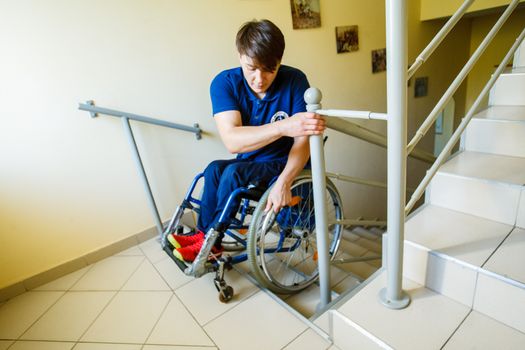
Choosing the right SEN stair handrail for your home
When selecting a stair handrail for a child with SEN, consider the following factors: adjustability, installation requirements, and professional endorsements. KiddieRail can be mounted on most staircases, including those with a banister on one side or a wall on the other. The rail is supplied with all necessary fixings, and the adjustable height means it can be moved as your child grows or as their needs change. Extension packs are available for longer staircases, allowing you to cover the full run with a single continuous child-height rail.
Installation is straightforward for a competent DIYer, and the product comes with clear instructions. Because KiddieRail attaches below the existing adult handrail, there is no need to remove or alter your current handrail. This is especially useful for rented homes or properties where you cannot permanently modify the staircase. For families who prefer professional installation, many occupational therapists can advise on the best positioning to meet your child’s individual needs.
Bearing in mind the RoSPA statistic of 58,000 children falling on stairs each year, investing in a dedicated child-height handrail is a proactive step toward reducing that risk for your own child. For children with SEN, the benefits extend beyond physical safety to include increased confidence and independence. A child who can hold a properly placed handrail is more likely to tackle stairs without fear, which in turn supports their development and daily participation in family life.

Frequently Asked Questions
Is KiddieRail suitable for all types of stairs?
KiddieRail is designed to fit most domestic staircases. It mounts to the wall below the existing handrail and can be used on straight stairs, as well as many L-shaped or winding stairs. For non-standard layouts, you may need to measure carefully or contact the manufacturer to check compatibility. Extension packs are available for longer stair runs.
Can KiddieRail be used alongside a standard handrail?
Yes, KiddieRail is specifically designed to be installed below an existing standard handrail. It does not interfere with the adult rail and can be used by other family members as usual. This dual-rail setup allows children to have their own secure handrail at the correct height while adults continue to use the higher rail.
What age range is KiddieRail designed for?
KiddieRail is intended for young children, from the time they begin using stairs until they are tall enough and coordinated enough to safely reach the adult handrail. The adjustable height means it can grow with your child. For children with special educational needs, a child-height handrail may be beneficial well beyond the typical toddler years.
How do I know if my child needs a SEN stair handrail?
If your child has difficulty balancing, struggles to grip a standard handrail, or shows fear or hesitation on stairs, a dedicated child-height handrail may help. Occupational therapists often recommend an adjustable handrail like KiddieRail for children with physical, developmental, or coordination challenges. Consult your child’s therapist or healthcare professional for personalised advice.
When it comes to SEN stair safety, choosing the right handrail can make a meaningful difference in a child’s confidence and security. KiddieRail offers a proven, professionally-endorsed solution that brings peace of mind to parents, carers, and therapists alike.


