
Currently Empty: £0.00




Stairs present a daily challenge for families with young children. Babies and toddlers are naturally curious, and stairs often draw their attention long before they have the coordination to use them safely. For parents and carers, understanding when children typically develop stair skills, what the risks are, and how to create a safer environment can make a real difference. Each year, a large number of young children are seen in hospitals after falls on stairs. With the right knowledge and a few practical changes, many of these incidents can be prevented.
When Do Babies Start Climbing Stairs?
Most babies become interested in stairs well before they can walk confidently. Your baby will likely be able to climb stairs between 9 and 15 months. At this stage, they may crawl up a few steps or attempt to pull themselves up. This early interest is a normal part of development, but it also means that stair safety measures need to be in place well before your child becomes mobile. Supervision is essential because a young baby lacks the strength and judgement to manage stairs alone. A simple slip or loss of grip can lead to a fall in seconds.
Developmental Milestones for Stair Climbing
By Age Two
By his second birthday, your child should be able to walk up and down stairs on his own. He may still hold on to the railing at this age. Many toddlers use a handrail for support, and some prefer to crawl on hands and knees for stability. This is a normal and safe approach as they build confidence and leg strength. It is important to let your child progress at their own pace rather than pushing them to climb unaided before they are ready.
By Age Three
By the time a child reaches three years old, their ability to use stairs improves noticeably. They can usually walk up and down with greater coordination, placing one foot per step rather than bringing both feet together on each stair. They rely less on handrails and may even carry a toy while climbing. That said, continued supervision is still wise, as younger three-year-olds can become distracted or overconfident. Stair gates and other safety measures often remain useful until a child consistently demonstrates safe behaviour on stairs.
The Importance of Stair Safety
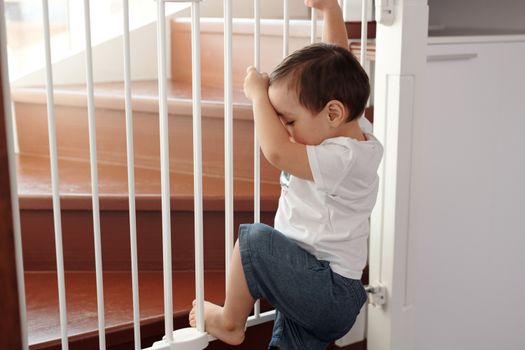
A study by researchers has shown an alarming number of children are injured on stairs every year. Falls can happen in an instant, even when a parent is nearby. Young children have a higher centre of gravity and less control over their movements, which makes them more likely to topple forward or backward on a staircase. The consequences can range from minor bumps and bruises to more serious injuries requiring hospital treatment. For families, the emotional toll of a preventable accident is significant. Taking stair safety seriously from the moment a child begins to crawl is one of the most effective steps you can take to protect your child at home.
Reducing the Risk of Falls on Stairs
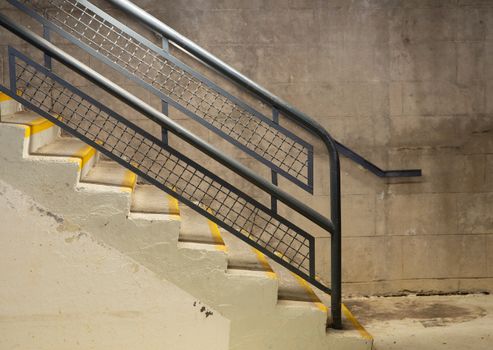
Research into risk and protective factors for falls on stairs in young children has identified several practical measures that can reduce injury risk. Structural factors including having landings part-way up the stairs and keeping stairs in good repair were associated with reduced stair fall injury risk. A landing provides a natural stopping point and an area where a child can pause, turn, or be collected by an adult if needed. Keeping stairs in good repair means checking that treads are secure, carpet is not loose or frayed, and handrails are firmly fixed at a height suitable for adults and older children.
Another important piece of advice is to avoid carrying a child on the stairs when possible. Place him in a safe place, such as a crib, when you need to use the stairs. Carrying a baby or toddler while going up and down stairs can be risky because you have only one hand free for the handrail, and a sudden loss of balance can put both you and the child in danger. If you must carry a child on the stairs, use the handrail and move slowly. But whenever you can, set the child down in a safe spot first.
Building Confidence and Skills
Helping your child learn to use stairs safely is a gradual process. A video produced by HSE Ireland shows how children learn to walk up and down stairs and provides tips and activities to help them learn. The approach focuses on letting children practise in a controlled environment with close supervision. Simple activities such as stepping up onto a low step while holding your hand, or practising climbing onto and off a sturdy stool, can build the leg strength and coordination needed for stairs. The key is patience and repetition. Every child develops at a different rate, and some may need more time to feel confident on stairs.
A Growing Concern: Children Starting School Unable to Climb Stairs
A recent survey of 1,000 primary teachers in England and Wales reported that some children are starting reception school unable to climb a staircase. The teachers also noted that these children often show poor basic motor skills in other areas. This finding highlights a shift in the everyday experiences of young children. Fewer opportunities for active play, more time spent on screens, and changing home environments may all contribute to a delay in developing stair climbing ability. For parents, this is a reminder that stair practice is not just about safety, it is also an important part of a child’s physical development. Encouraging your toddler to use stairs regularly, with supervision and support, helps them build strength, balance, and confidence that will serve them well beyond the home.
Practical Tips for Parents and Carers
There are several straightforward steps you can take to keep children safer on stairs while supporting their development.
-
Install stair gates at both the top and bottom of any staircase in your home. Use gates that meet current safety standards and ensure they are fitted correctly.
-
Keep stairs clear of toys, shoes, laundry, and other clutter. A clear staircase reduces the chance of tripping for both children and adults.
-
Encourage your child to use the handrail from an early age. If the adult handrail is too high for them, consider a child-sized handrail that lets them maintain three points of contact while climbing.
-
Teach your child to sit down and slide on their bottom if they feel unsafe going down. This technique is often taught in baby and toddler groups as a safer alternative to walking down alone.
-
Check stairs regularly for loose carpet, damaged treads, or wobbly handrails. Good repair is a key factor in preventing falls.
-
Supervise young children every time they use the stairs, even if they seem confident. Development can be uneven, and a child who managed stairs well yesterday may struggle today when tired or distracted.
-
Practise with your child in a calm, positive way. Treat stair practice as a game rather than a lesson, and celebrate small successes to build their confidence.
Frequently Asked Questions
At what age can a child safely use stairs?
There is no single age at which every child becomes safe on stairs. Most babies begin climbing stairs between 9 and 15 months. By two years, many children can walk up and down while holding their parents’ hands. This is why an adjustable handrail is important. Full independence usually develops closer to age three. Supervision and safety measures such as gates should remain in place until your child consistently demonstrates good judgement and coordination on stairs.
Should I let my 1-year-old climb stairs?
Yes, with close supervision and safety measures in place. Climbing stairs is a normal developmental milestone for babies between 9 and 15 months. Allowing your one-year-old to practise on stairs under your watch can help them build strength and coordination. Always stay within arm’s reach, use a stair gate when stairs are not being used, and avoid carrying your child up and down unnecessarily.
How can I make my stairs safer for a toddler?
Start by fitting stair gates at the top and bottom of the staircase. Keep the stairs clear of clutter and ensure they are in good repair with secure carpet or treads and a firm handrail. Consider a child-height handrail if the adult rail is too high. Teach your child to hold the handrail and take one step at a time. Supervise all stair use until your child is reliably safe and confident.
Why are some children unable to climb stairs when starting school?
A survey of primary teachers in England and Wales found that some children begin reception school unable to climb a staircase. This is thought to relate to reduced opportunities for active play and physical movement during early childhood. Less time spent climbing, running, and balancing can delay the development of basic motor skills. Encouraging regular stair practice at home can help children build the strength and coordination they need.


