
Currently Empty: £0.00


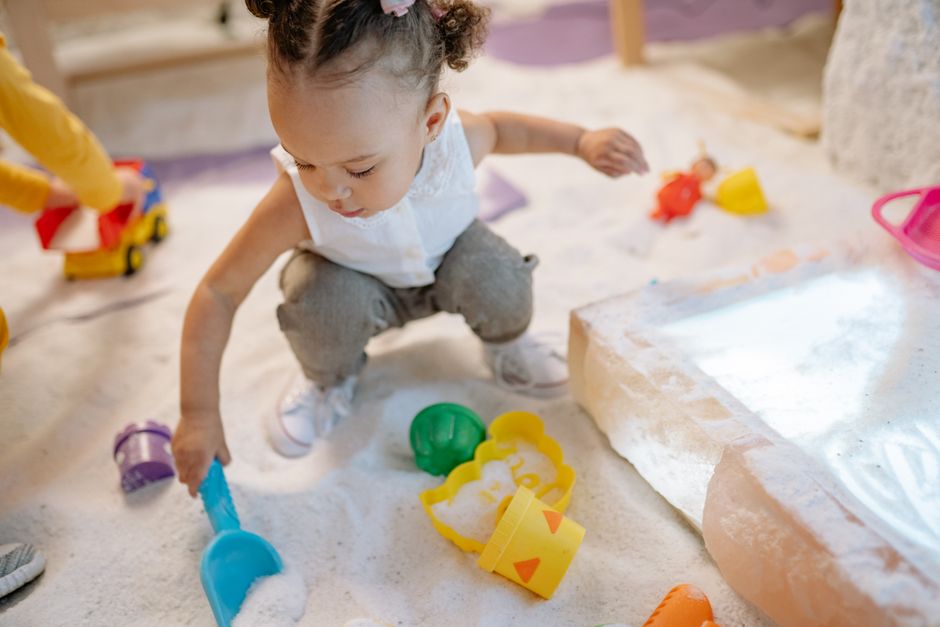
Creating a safe play area for toddlers at home gives your child the freedom to explore while giving you real peace of mind. Toddlers are curious, fast, and fearless, and they do not yet understand danger. A carefully planned play space can support their development and keep everyday hazards out of reach. Whether you have a spare corner, a gated section of the living room, or a whole room to dedicate to play, the principles are the same. This guide explains how to build a secure area where your toddler can play, move, and learn without constant worry.
What Is a Safe Play Area?
You may have heard the term “yes space” in RIE or Montessori circles. Put simply, it is a completely safe environment for your baby to play, move, and explore. This could be a play yard, a gated-off area, or a whole room if your home allows. The idea behind a yes space is that your child can touch and investigate everything within it, because every item in the space has been chosen with their safety in mind. For parents, this means fewer repeated warnings and less stress. For toddlers, it means uninterrupted play and the confidence to try new physical skills.
Choose the Right Spot in Your Home
Before you start creating your play area, make sure it is in the right place in your home, preferably away from stairs, furniture, and anything that may topple. Walk around your home and look at each room with fresh eyes. A corner of the living room is often the most practical option because it keeps your child visible while you prepare meals or rest. If you have a spare room, you can create a dedicated playroom, but that is not essential. What matters most is that the location itself is free from the biggest risks, particularly staircases and unstable furniture.

Childproof the Indoor Play Area
Childproofing your indoor play area involves addressing common hazards, using soft and durable materials, and regularly inspecting equipment. The goal is to look at every part of the space and ask whether it is safe for a child who will fall, climb, and test their limits. Start with the floor, then move on to furniture, toys, and small details such as cords and sharp corners. The effort you put in at the beginning will save you from anxious moments later.
Use Soft and Durable Materials
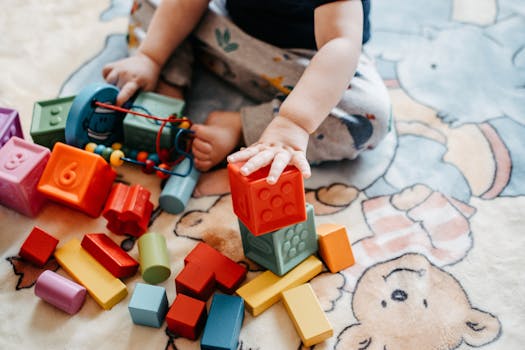
Soft flooring is one of the most important safety features in a toddler play area. Play mats, foam tiles, or a thick rug can cushion the tumbles that come with learning to walk, run, and climb. Choose materials that are easy to wipe clean, because toddler play is messy work. Look for durable surfaces that will not wear down quickly and avoid anything with small parts that could break off and become a choking hazard.
Secure Anything That Could Topple or Trap
Furniture such as shelves, wardrobes, and mirrors should be secured so they cannot be pulled over by a determined toddler. Anything with sharp corners can be covered with edge protectors. Look around the room for trailing cables and other household hazards that sit at toddler height. The aim is to remove anything that could fall onto your child or trap them during play.
Inspect Toys and Equipment Regularly
Regularly inspecting equipment is essential. Check for loose screws, cracked plastic, and toys that have become worn or damaged. Toddler play is hard on even the sturdiest items, so a quick weekly check of the play area can catch problems early. Remove any broken toys promptly and replace parts that show signs of wear before they become a danger.
Choose Age-Appropriate Play Equipment
Toddlers need play structures that match their current abilities. Professionals who design play spaces for young children always look for venues that focus on younger age groups and maintain high safety standards, because age-appropriate play structures make it easier for children to play without hurting themselves. At home, the same principle applies. Low climbing frames and slides are a good choice because they let toddlers practise their gross motor skills without the risk of a high fall. Avoid equipment designed for older children, which may have gaps, heights, or moving parts that are not suitable for a toddler.
If you have children of different ages, think about creating separate areas for different age groups. A toddler zone can be cordoned off from the space used by older siblings. This approach is used by many indoor play venues, which create safe and clean play environments with separate areas for different ages. At home, a simple gate or a low divider can give your youngest child a protected space while older children play with their own toys.
Create a Safe Outdoor Play Area
If you have a garden, outdoor play gives toddlers room to run, dig, and explore. The same safety thinking applies outside, with a few extra considerations. Low climbing frames and slides are ideal because they allow challenges without big drops. Sandpits and water play zones are very popular with toddlers and encourage sensory exploration, but water play needs constant supervision, even when the water is shallow.
Provide Shade and Secure Boundaries
Shaded areas are important to protect young children from the sun. Whether you use a parasol, a canopy, or the shade of a tree, make sure there is somewhere cool for your toddler to rest during warm weather. Safe fencing is also essential to keep children secure. Check all gates and boundaries regularly to make sure there are no gaps, loose panels, or weaknesses that a curious toddler could exploit.
Keep the Outdoor Area Clean
A safe and clean play environment matters outside just as much as inside. Clear fallen leaves and debris before play, check sandpits regularly, and empty and dry water play equipment after each use. Outdoor toys should be inspected for rust, splinters, and weather damage, as constant exposure to the elements can wear them down quickly.
Review the Space as Your Toddler Grows
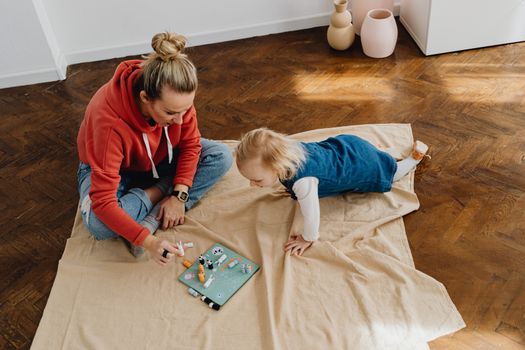
Once your safe play area is set up, the work does not stop. Regularly inspecting the area and its equipment ensures that it stays safe as your toddler develops. Children change quickly, and a space that was perfectly safe when your child was twelve months old may need adjustments by the time they turn two or three. As mobility and confidence grow, review the layout and remove anything that is no longer suitable. Keep gates fitted at the top and bottom of stairs, and remember that the play area should always stay away from stairs, furniture, and anything that may topple.
Creating a safe play area for toddlers at home takes thought, but it does not have to be complicated. By choosing the right location, using soft and durable materials, selecting age-appropriate equipment, and maintaining the space regularly, you can build an environment where your child is free to play, move, and explore. Whether you start with a simple gated-off corner or transform a whole room, the goal is the same: a safe, welcoming place that supports your toddler’s natural curiosity and gives you confidence throughout the day.
Frequently Asked Questions
What is the best flooring for a toddler play area?
Soft flooring is the safest choice for a toddler play area. Play mats, foam tiles, or thick rugs provide cushioning for falls and are easy to keep clean. Avoid hard surfaces such as bare wood or tile, which offer no protection when toddlers stumble. Choose materials that are durable, wipeable, and free from small parts that could break off during play.
Can I create a safe play area in a small home?
Yes. A safe play area for toddlers does not need a whole room. A play yard or a gated-off corner of a living room can work well, as long as the space is away from stairs, furniture, and anything that may topple. Use soft flooring to define the area and rotate toys to keep it interesting without needing extra square footage.
How often should I check the play area for hazards?
Try to do a quick daily check and a more thorough inspection once a week. Childproofing involves addressing common hazards, using soft and durable materials, and regularly inspecting equipment. Toys break, fixings loosen, and small items appear out of nowhere. A short safety check before your toddler starts playing is a simple habit that can prevent accidents.
What should I do if my home has stairs near the play area?
Place the play area away from stairs and fit a safety gate at the top and bottom of any staircase. Stairs are one of the biggest risks for young children, so the play space should be set up away from them entirely. Supervise toddlers whenever they are near the stairs and encourage them to use the handrail as they grow.


